.svg)
SupplyExit Blog
Insights & Resources
Market insights, liquidation strategies, and practical guidance for brands, Amazon sellers, and wholesale buyers.
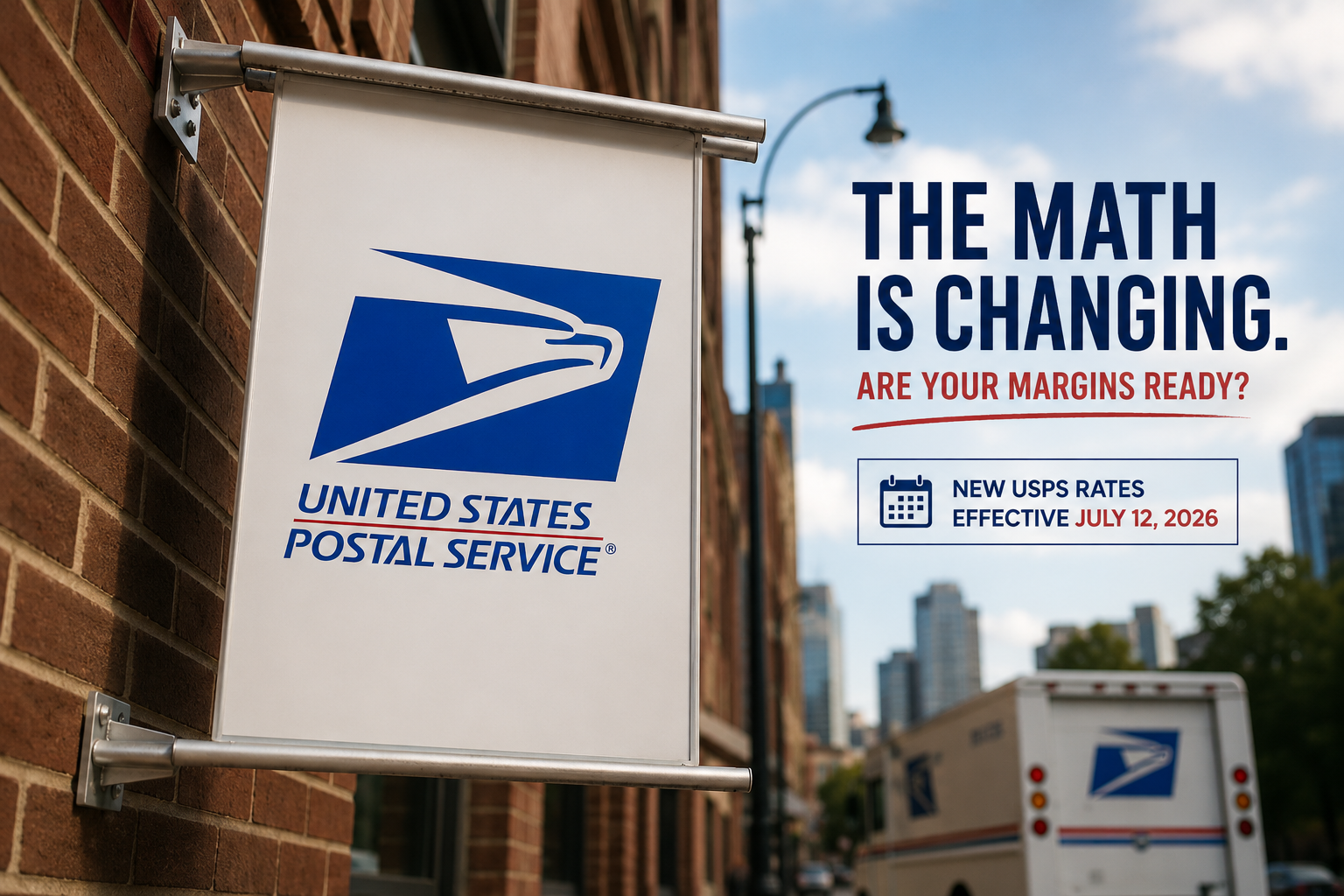
USPS Competitive Rate Changes Put More Pressure
USPS rate changes starting July 12, 2026 will increase pressure on bulky, lightweight shipments. A lower DIM divisor, tighter size rules, new fees, and existing fuel surcharges may make large low-cost goods harder to ship profitably through normal ecommerce channels.
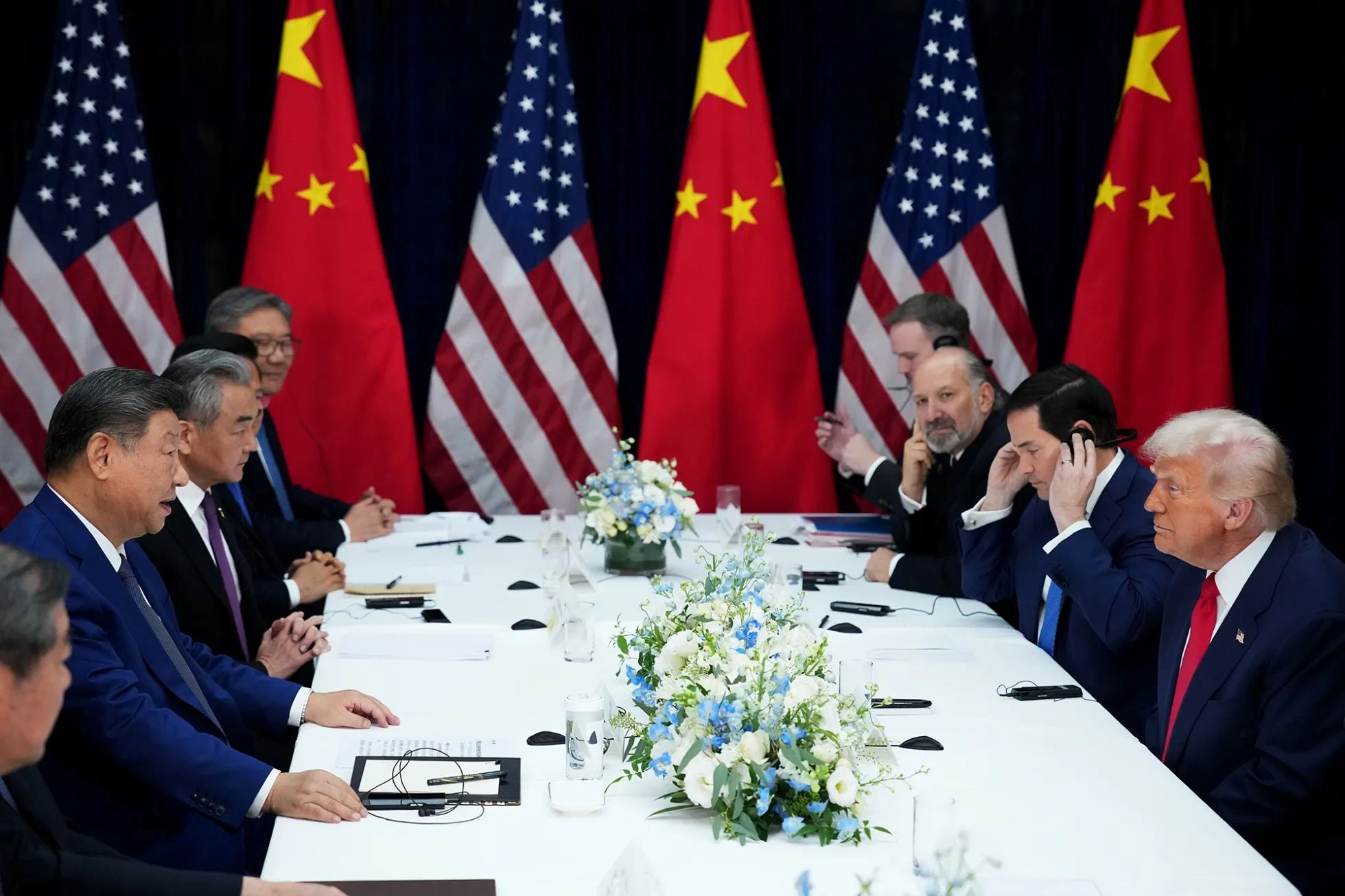
China’s New Supply Chain Rules Raise the Stakes for Global Trade
China introduces new supply chain rules in April 2026, increasing pressure on global companies. Businesses now face legal conflicts across China, the US, and the EU, making supplier diversification and compliance more complex.
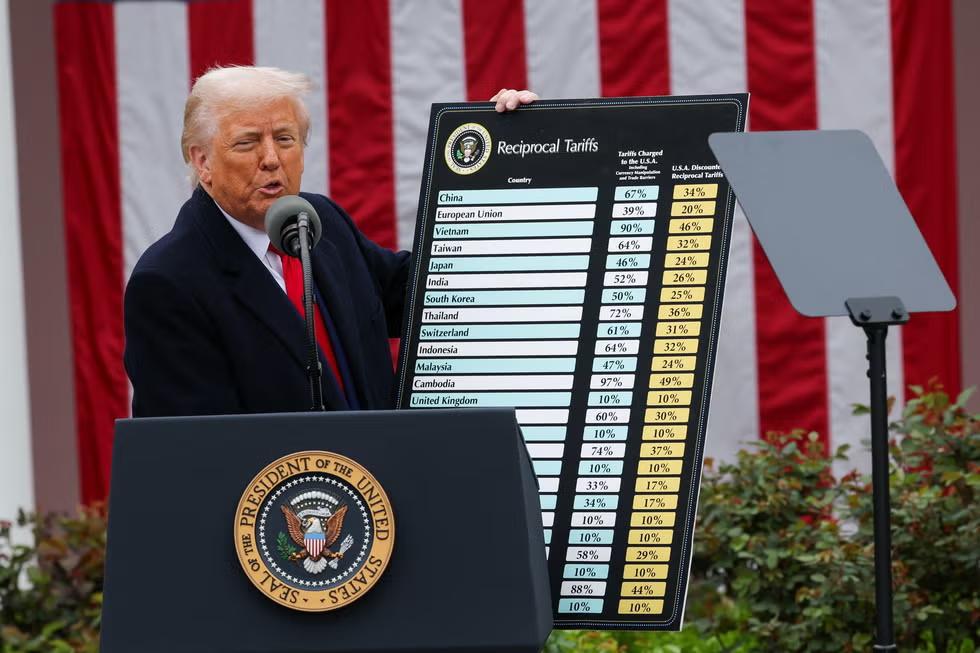
CAPE Portal for Tariff Refunds: What Importers Need to Know
The US launches CAPE on April 20, 2026, allowing importers to claim refunds on certain IEEPA tariffs. Refunds are not automatic — eligible entries must be submitted manually, with a phased rollout limiting which claims qualify at the start.

Slow-Moving vs Dead Stock
Slow‑moving and dead stock both tie up warehouse space, but they are not the same. Slow‑moving stock still sells, just very slowly. Dead stock has effectively stopped selling and may never move again. In the US and EU, distinguishing them helps brands choose the right exit strategy.
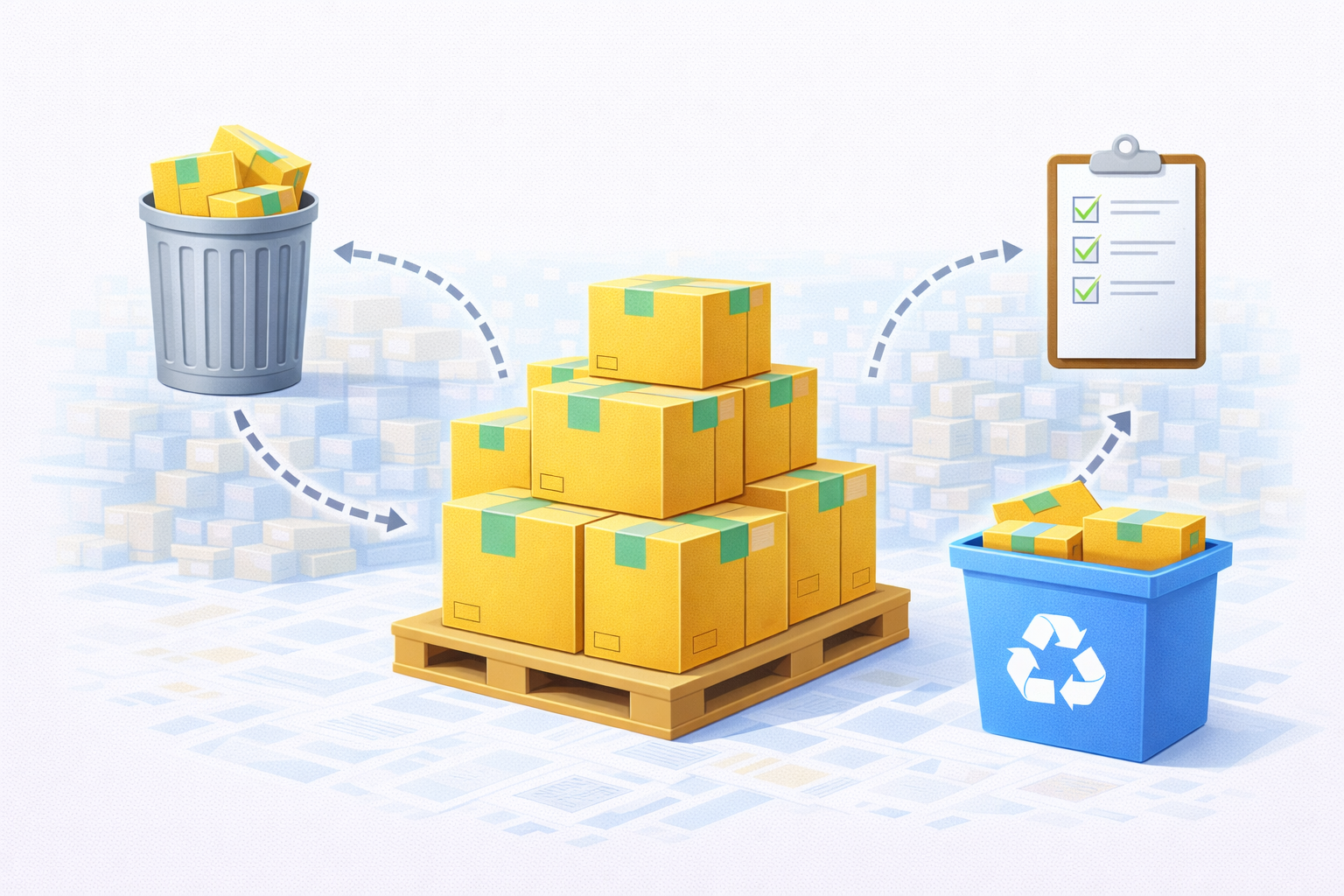
End-of-Life Inventory Strategies
End‑of‑life inventory is stock that is being discontinued due to product changes, rebranding, or regulatory shifts. In the US and EU, managing it well avoids write‑offs and protects brand value. The right strategy depends on condition, timing, and buyer appetite.

Seasonal Overstock: How to Exit Correctly
Seasonal overstock is inventory that remains after the peak selling period. Holiday, back‑to‑school, and winter/summer products are classic examples. In the US and EU, holding seasonal overstock too long can lead to rapid devaluation and write‑offs. Exiting correctly means timing, segmentation, and the right channels.

How Brands Accumulate Excess Inventory
Excess inventory does not appear overnight. It builds up through a series of decisions and market shifts. Understanding how it accumulates helps brands prevent it in the future and manage it more effectively when it happens. In the US and EU, fast‑moving markets and complex supply chains make this especially relevant.
Excess Inventory Accounting Basics
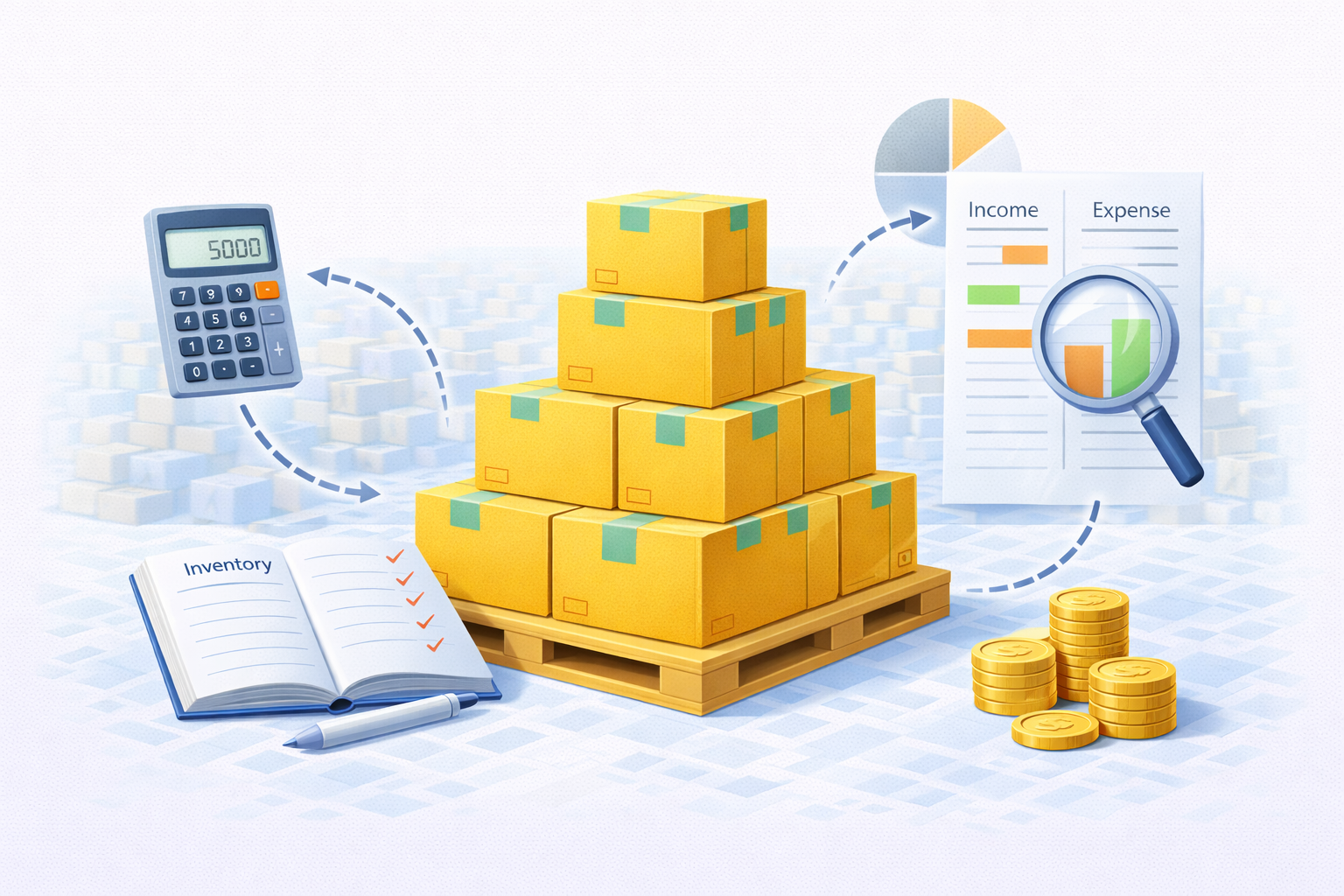
Excess inventory is not just a warehouse problem — it is an accounting issue. In the US and EU, brands must decide whether to write down, write off, or recover value through liquidation. Understanding the basics helps align operations with financial reporting and investor expectations.

When Inventory Becomes a Liability
Inventory starts as an asset: something a brand expects to sell for profit. But when it sits too long, it turns into a liability that eats cash, space, and management time. In the US and EU, where storage and fulfillment costs are high, recognizing this shift early is critical for profitability.
Customer Returns vs Shelf Pull vs Overstock
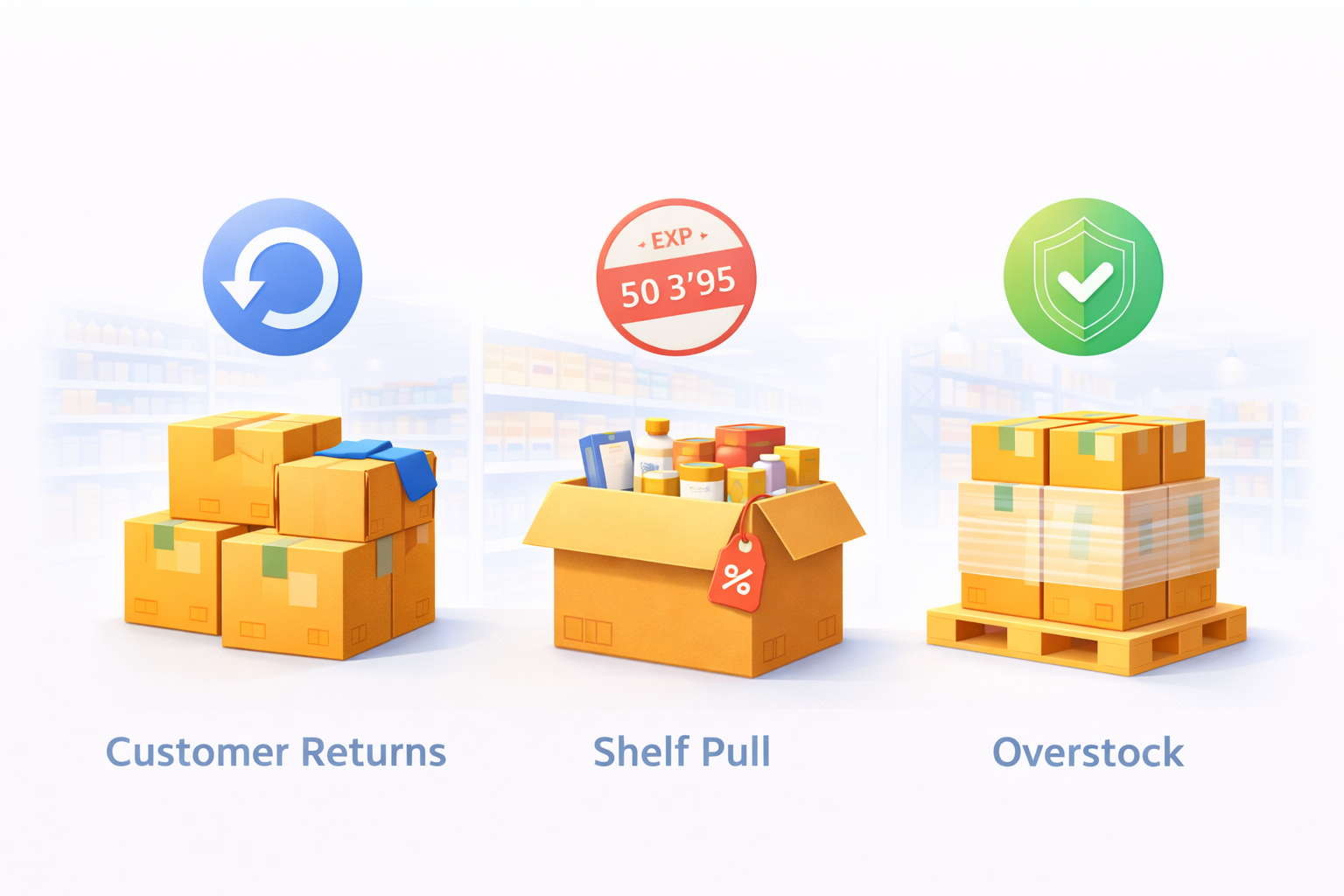
At first glance, customer returns, shelf pulls, and overstock all look the same: boxes of product on a warehouse floor. But for buyers, liquidators, and accountants, they represent different risk profiles and price expectations. In the US and EU, correctly distinguishing these types directly affects recovery value and compliance.

Shelf Pull Inventory Explained
Shelf pull inventory is product that has been removed from retail shelves or online listings before it was fully sold. For brands, it is a common source of excess stock that is often still in good condition. In the US and EU, shelf pulls arise from planogram changes, seasonal rotations, and retailer assortment updates.
Excess Inventory vs Overstock: Key Differences
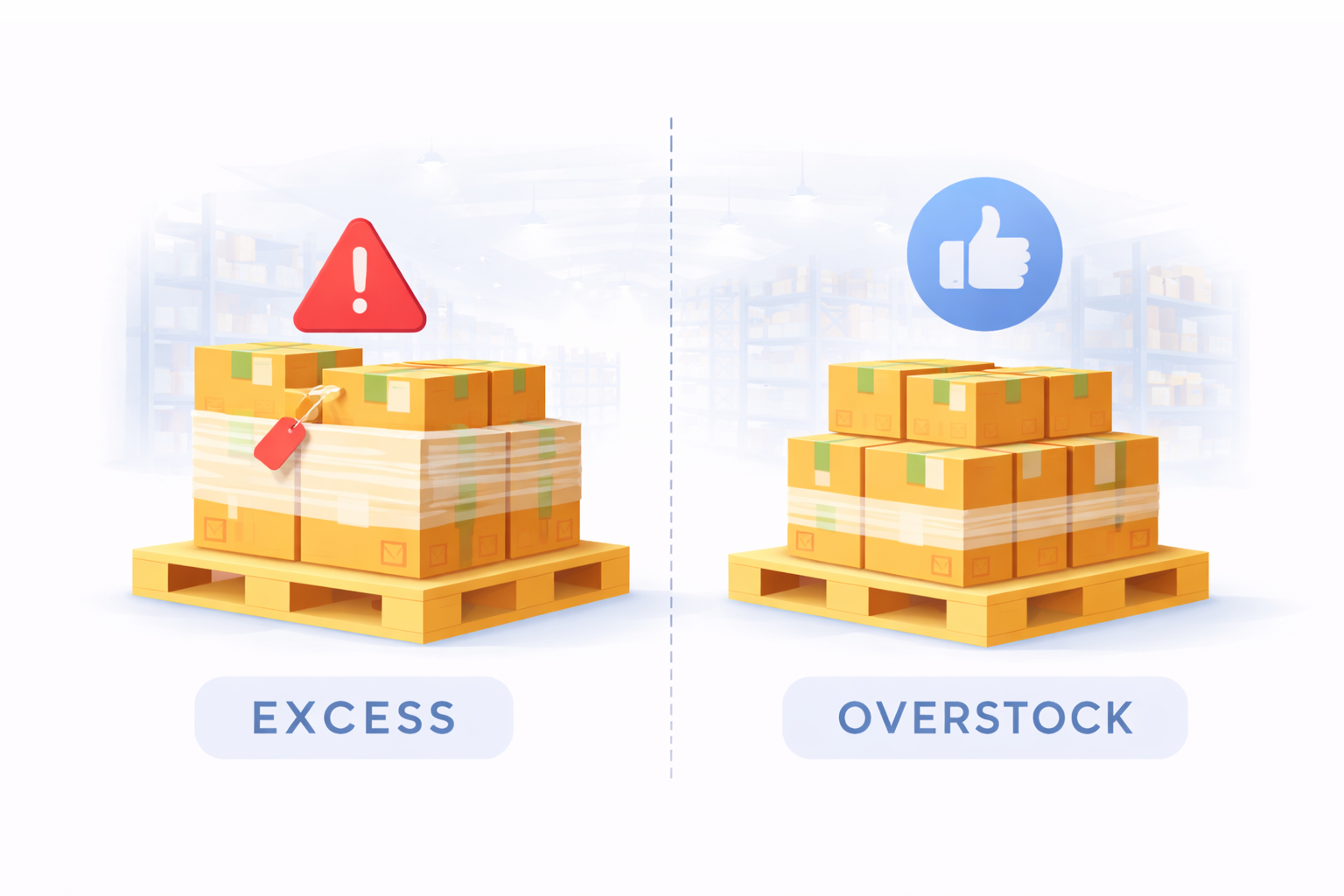
The terms “excess inventory” and “overstock” are often used interchangeably, but they describe different stages of stock buildup. Understanding the difference helps brands choose the right strategy: soft discounts, bundles, private liquidation, or write‑off. In the US and EU, these distinctions also matter for accounting, buyer expectations, and pricing.
HAVE EXCESS INVENTORY TO EXIT?
Leave your email and we’ll reach out to review your inventory and guide you through the next steps. No auctions. No automated checkout.