.svg)
When Inventory Becomes a Liability
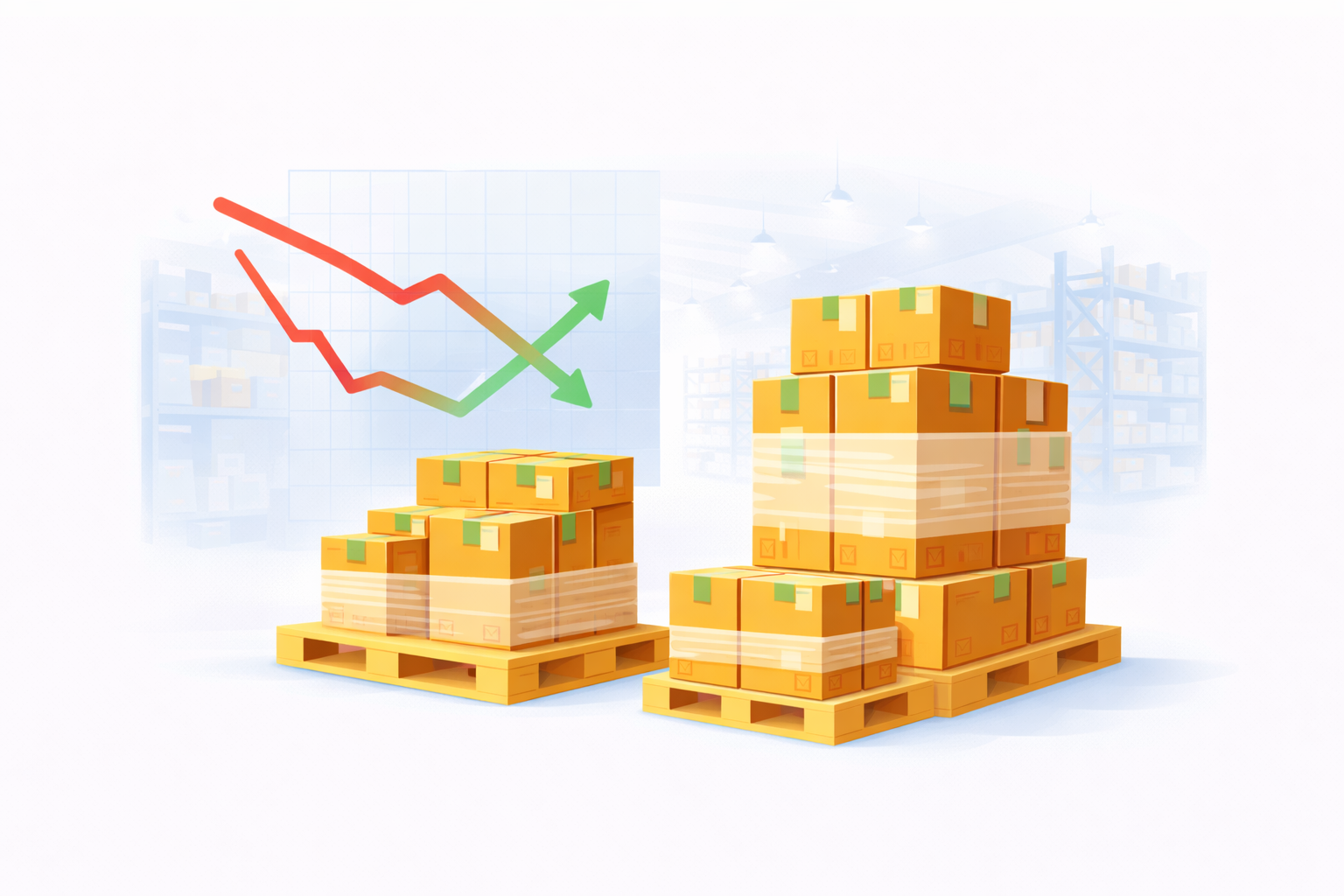
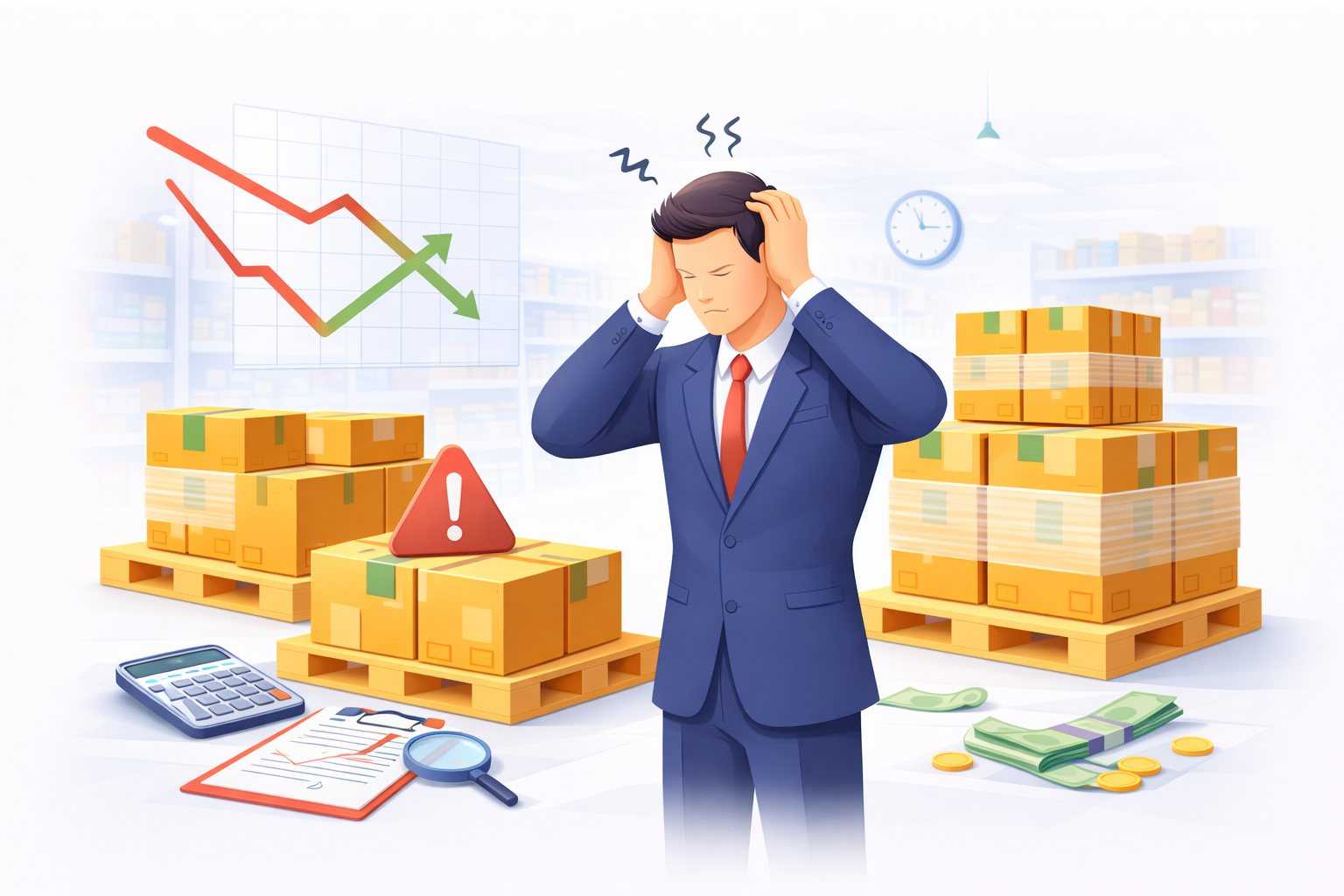
Inventory starts as an asset: something a brand expects to sell for profit. But when it sits too long, it turns into a liability that eats cash, space, and management time. In the US and EU, where storage and fulfillment costs are high, recognizing this shift early is critical for profitability.
Core Explanation
Inventory becomes a liability when:
Holding costs exceed potential recovery value.
Obsolescence risk (seasonality, trends, regulations) outweighs upside.
The stock no longer fits the brand’s current strategy or assortment.
Signs it has crossed the line:
Rising storage fees and slower turnover.
Frequent write‑downs or discounts just to clear space.
Management constantly discussing “what to do with old stock.”
Practical Implications (for sellers / buyers)
For sellers:
Delaying action increases financial pressure and reduces recovery options.
Waiting for the “perfect” buyer or price often leads to write‑offs.
For buyers:
Liabilities are opportunities: discounted stock, bulk deals, and niche channels.
They must assess condition, expiration, and resale channels carefully.
Common Mistakes / Myths
“If we wait long enough, demand will come back.” In many cases, demand has permanently shifted.
“We can just keep it on the books.” Eventually, accounting rules and storage costs force a decision.
“Liquidation is a last resort.” For many brands, it is a regular part of inventory management.
How This Is Handled in Practice
Smart brands:
Set clear thresholds for turnover and obsolescence.
Regularly review aging stock and plan exit windows.
Use liquidation as a proactive tool, not an emergency measure.
How SupplyExit Approaches This
SupplyExit helps brands identify when inventory crosses from asset to liability. Stock is assessed by age, condition, and market fit, then an exit window and target buyers are recommended. Instead of waiting for large write‑offs, brands work to monetize stock through private deals that preserve brand value and free up cash and space.
FAQ
What are the main signals that inventory has become a liability? Rising storage costs, repeated discounts, and lack of demand despite promotions.
Can inventory ever go back from liability to asset? Rarely. Once costs and obsolescence risks dominate, recovery options shrink.
How early should a brand act? Before storage fees and write‑downs erode most of the value.
Is liquidation always the best option? Not always, but it is often better than holding or writing off.
Does SupplyExit only work with dead stock? No. Work can begin with excess, overstock, and aging inventory before it becomes truly dead.
If you want to discuss liquidation lot, pricing or logistics, please leave an inquiry via the form and we’ll get back to you shortly. Alternatively, you can contact us via email or WhatsApp if that’s more convenient for you.