.svg)
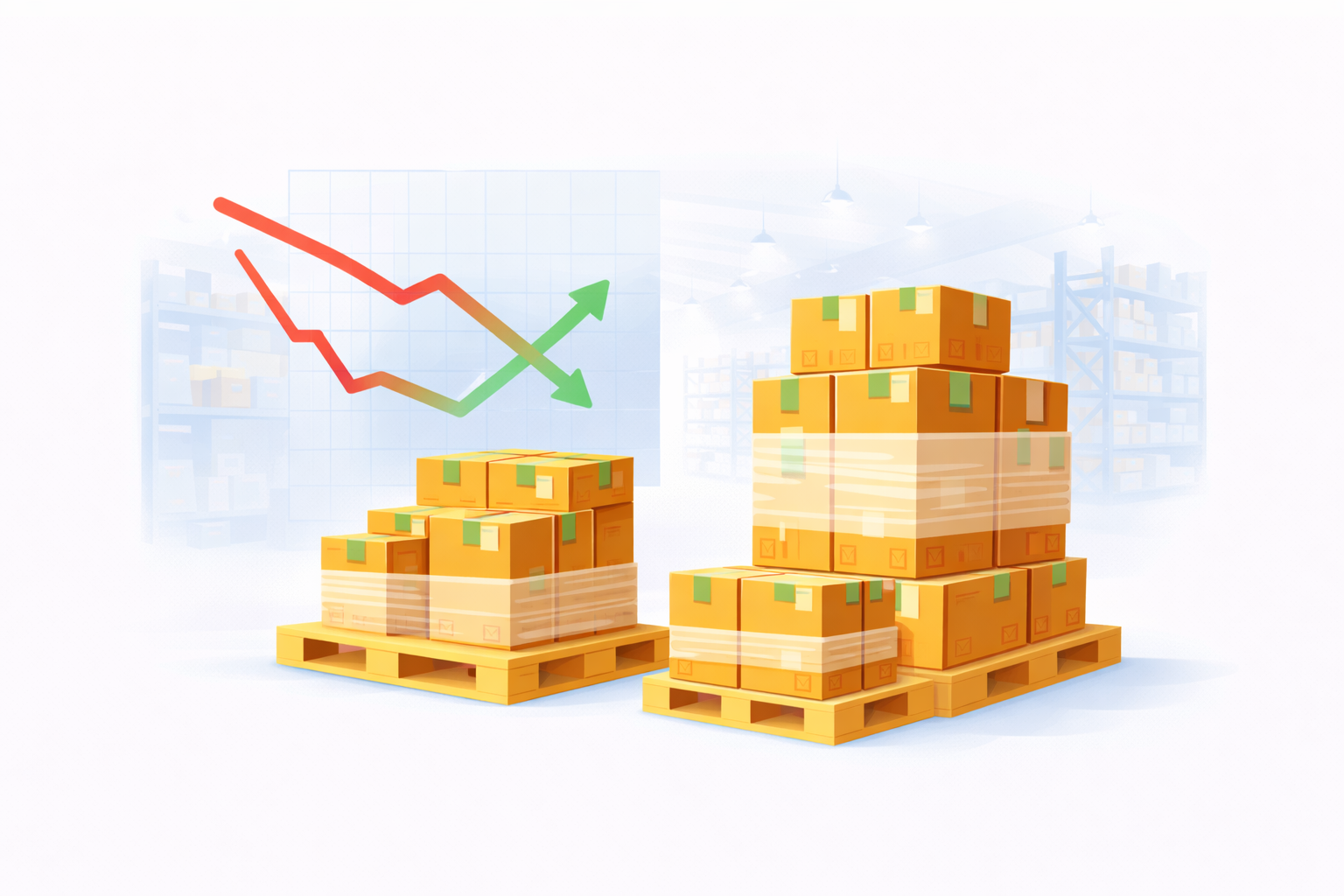
How Brands Accumulate Excess Inventory
Excess inventory does not appear overnight. It builds up through a series of decisions and market shifts. Understanding how it accumulates helps brands prevent it in the future and manage it more effectively when it happens. In the US and EU, fast‑moving markets and complex supply chains make this especially relevant.
Core Explanation
Common causes:
Over‑optimistic demand forecasts.
Misaligned marketing and sales plans.
Over‑ordering to take advantage of supplier discounts.
Changes in retailer or marketplace policies.
Logistics delays that create double‑ordering or missed seasons.
These factors often combine, creating a perfect storm of excess stock.
Practical Implications (for sellers / buyers)
For sellers:
Recognizing the root causes helps improve forecasting and ordering.
It also clarifies when to shift from “wait and see” to active liquidation.
For buyers:
They can anticipate when brands are likely to have excess and position themselves early.
They can offer solutions that align with the brand’s pain points.
Common Mistakes / Myths
“We just had bad luck.” In many cases, the pattern is repeatable and preventable.
“More inventory is safer.” Excess inventory increases risk, not safety.
“We’ll fix it next quarter.” Delaying action compounds the problem.
How This Is Handled in Practice
Leading brands:
Use data‑driven forecasting and regular reviews.
Build buffers that are flexible, not rigid.
Establish clear policies for dealing with excess when it appears.
How SupplyExit Approaches This
SupplyExit helps brands turn excess inventory into a structured process rather than a recurring crisis. Root causes behind each buildup are analyzed and tailored exit strategies are recommended. By working this way regularly, brands can reduce the frequency and size of excess inventory spikes and maintain healthier cash flow.
FAQ
What are the most common causes of excess inventory? Over‑forecasting, over‑ordering, and market shifts.
Can excess inventory be prevented completely? Not entirely, but it can be minimized with better planning.
Does SupplyExit only work after excess has built up? No. Preventive strategies and regular exit cycles can also be supported.
How often should brands review inventory levels? At least monthly, more often for fast‑moving categories.
Is excess inventory always a bad sign? It indicates a mismatch between supply and demand, but it can be managed proactively.
If you want to discuss liquidation lot, pricing or logistics, please leave an inquiry via the form and we’ll get back to you shortly. Alternatively, you can contact us via email or WhatsApp if that’s more convenient for you.