.svg)
Customer Returns vs Shelf Pull vs Overstock
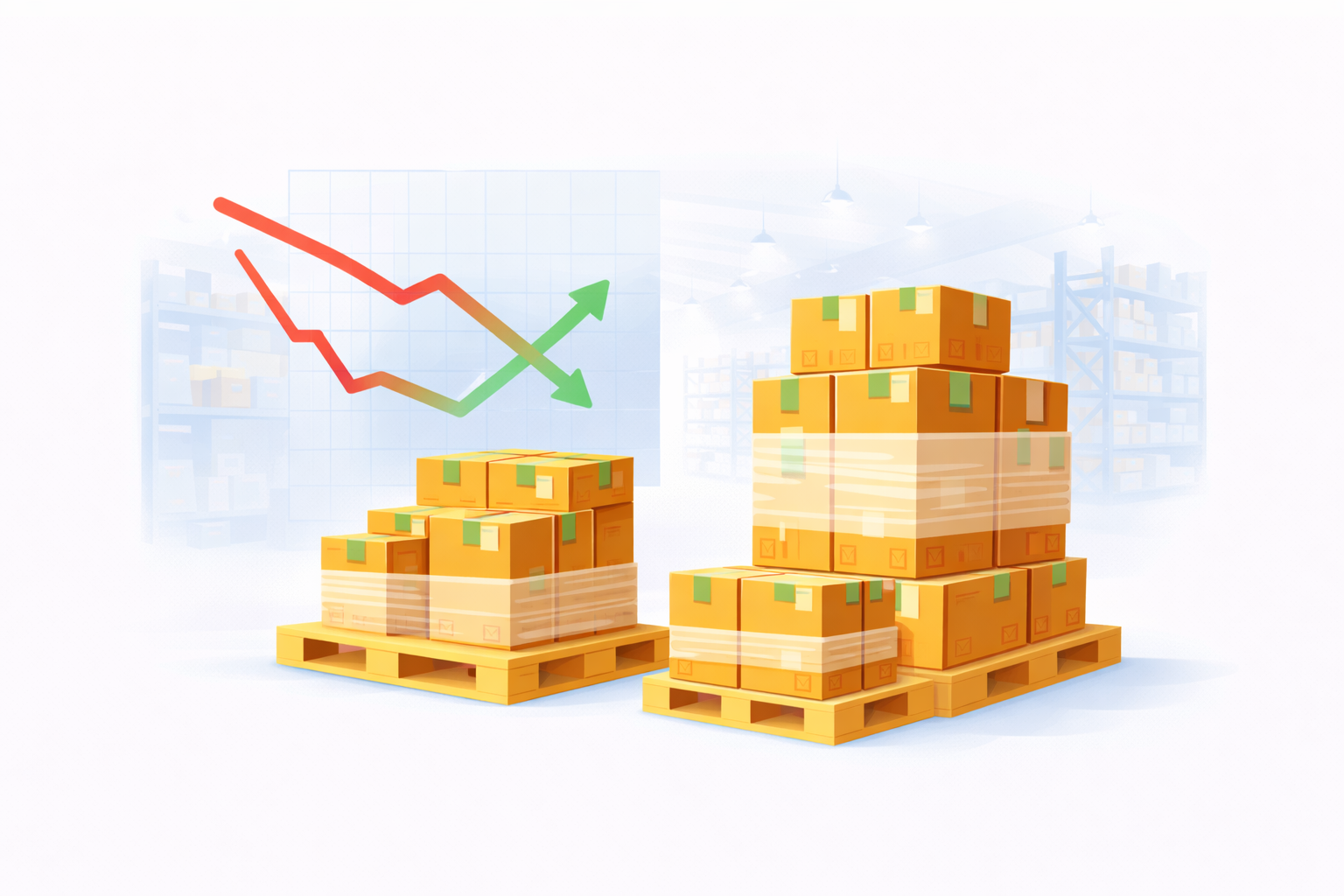
At first glance, customer returns, shelf pulls, and overstock all look the same: boxes of product on a warehouse floor. But for buyers, liquidators, and accountants, they represent different risk profiles and price expectations. In the US and EU, correctly distinguishing these types directly affects recovery value and compliance.
Core Explanation
Customer returns: items sent back by buyers, which may be used, opened, or damaged.
Shelf pulls: items removed from retail displays, usually new or near‑new with minor packaging issues.
Overstock: items that never reached the shelves in sufficient volume, often due to over‑ordering.
Each type carries a different level of risk and value.
Practical Implications (for sellers / buyers)
For sellers:
Mixing all three types into one lot forces buyers to price for the worst‑case scenario.
Separating them by type and grading (for returns) improves pricing and speeds up deals.
For buyers:
Returns require grading and testing; pricing reflects uncertainty.
Shelf pulls are typically priced higher than returns but lower than pristine overstock.
Overstock with intact packaging and no prior display is usually the most valuable.
Common Mistakes / Myths
“We’ll just throw everything into one big lot to sell faster.” This usually lowers the overall price.
“Returns can be sold as new if we clean them up.” Misrepresentation can lead to disputes and legal issues.
“Buyers don’t care about the difference.” Professional liquidators adjust their offers based on type and condition.
How This Is Handled in Practice
Leading sellers:
Grade returns (A/B/C) and document condition.
Separate shelf pulls by category and packaging status.
Keep overstock in its original, undamaged form when possible.
This segmentation makes negotiations smoother and increases recovery.
How SupplyExit Approaches This
SupplyExit encourages sellers to segment returns, shelf pulls, and overstock from the start. Clear lot descriptions are created that reflect actual condition and risk. A matching process then connects each type with buyers who specialize in that category, improving speed and price. This structured approach turns mixed warehouse stock into targeted, higher‑value opportunities.
FAQ
What is the main difference in value between these three types? Overstock is usually the highest, shelf pulls in the middle, and returns the lowest, depending on grading.
Can returns be included in shelf pull lots? It is possible, but buyers expect clear disclosure and adjusted pricing.
How do buyers test customer returns? They often inspect, test, or grade items before resale, especially for electronics and cosmetics.
Should I always separate these types? For serious buyers, yes. It increases transparency and trust.
Does SupplyExit handle all three types? Yes, but each type is matched with buyers who understand its specific risks and opportunities.
If you want to discuss liquidation lot, pricing or logistics, please leave an inquiry via the form and we’ll get back to you shortly. Alternatively, you can contact us via email or WhatsApp if that’s more convenient for you.