.svg)
Blog
The ORLIVET Journal
Stories of fine jewelry, rare gemstones, craftsmanship, and the quiet value behind what we choose to wear.
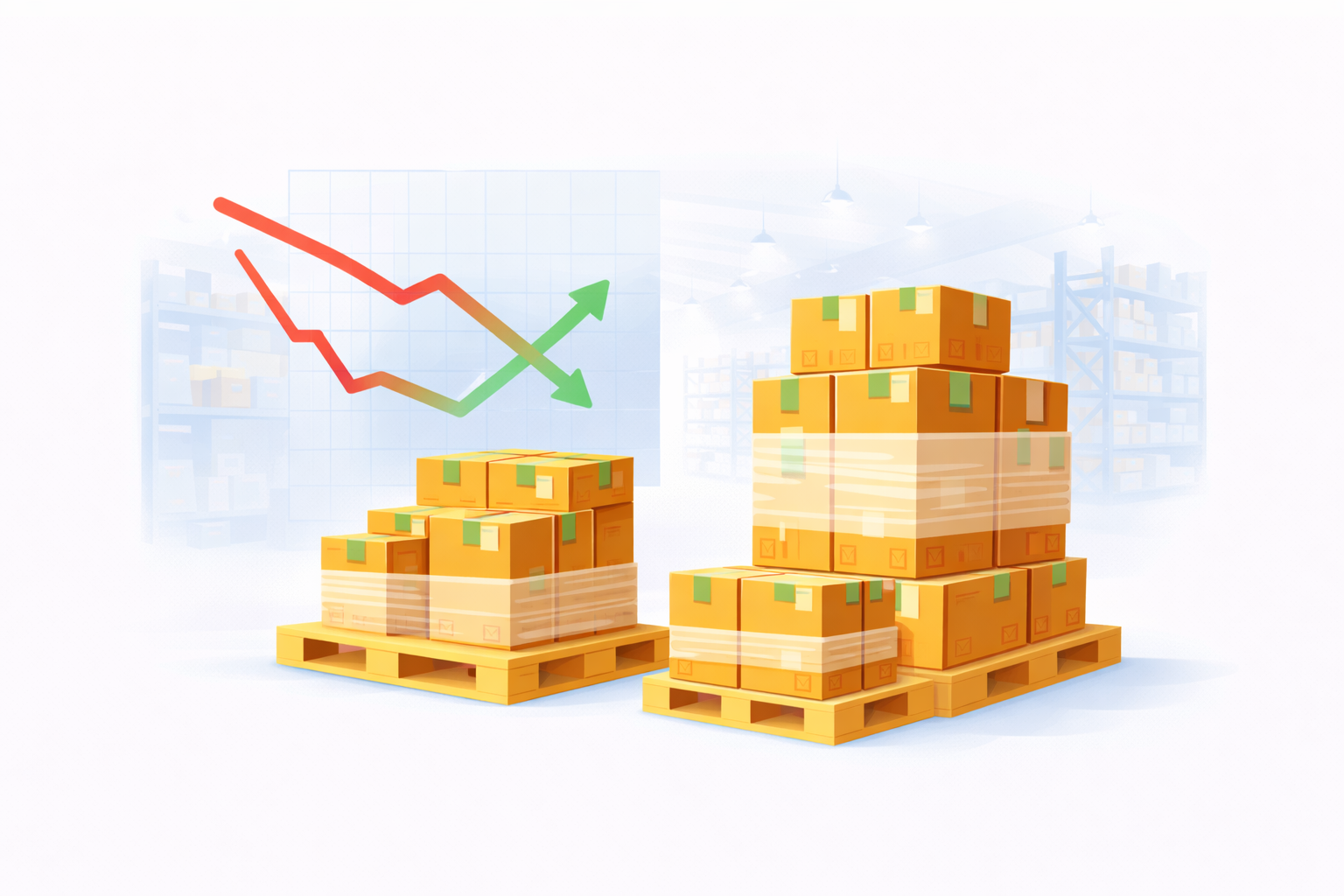
What Is Excess Inventory and Why It Happens
Excess inventory is stock that a brand cannot sell within its normal sales cycle at planned prices or channels. It sits on shelves or in warehouses, consuming cash, space, and management attention. In the US and EU, where storage fees, fulfillment costs, and inventory‑turnover pressure are high, excess inventory quickly turns from “extra safety stock” into a serious financial burden.

When Inventory Becomes a Liability
Inventory starts as an asset: something a brand expects to sell for profit. But when it sits too long, it turns into a liability that eats cash, space, and management time. In the US and EU, where storage and fulfillment costs are high, recognizing this shift early is critical for profitability.
Slow-Moving vs Dead Stock
Slow‑moving and dead stock both tie up warehouse space, but they are not the same. Slow‑moving stock still sells, just very slowly. Dead stock has effectively stopped selling and may never move again. In the US and EU, distinguishing them helps brands choose the right exit strategy.
Seasonal Overstock: How to Exit Correctly
Seasonal overstock is inventory that remains after the peak selling period. Holiday, back‑to‑school, and winter/summer products are classic examples. In the US and EU, holding seasonal overstock too long can lead to rapid devaluation and write‑offs. Exiting correctly means timing, segmentation, and the right channels.
How Brands Accumulate Excess Inventory
Excess inventory does not appear overnight. It builds up through a series of decisions and market shifts. Understanding how it accumulates helps brands prevent it in the future and manage it more effectively when it happens. In the US and EU, fast‑moving markets and complex supply chains make this especially relevant.
Excess Inventory Accounting Basics
Excess inventory is not just a warehouse problem — it is an accounting issue. In the US and EU, brands must decide whether to write down, write off, or recover value through liquidation. Understanding the basics helps align operations with financial reporting and investor expectations.
End-of-Life Inventory Strategies
End‑of‑life inventory is stock that is being discontinued due to product changes, rebranding, or regulatory shifts. In the US and EU, managing it well avoids write‑offs and protects brand value. The right strategy depends on condition, timing, and buyer appetite.

Blog Template
Blog Template (Excerpt)

Shelf Pull Inventory Explained
Shelf pull inventory is product that has been removed from retail shelves or online listings before it was fully sold. For brands, it is a common source of excess stock that is often still in good condition. In the US and EU, shelf pulls arise from planogram changes, seasonal rotations, and retailer assortment updates.
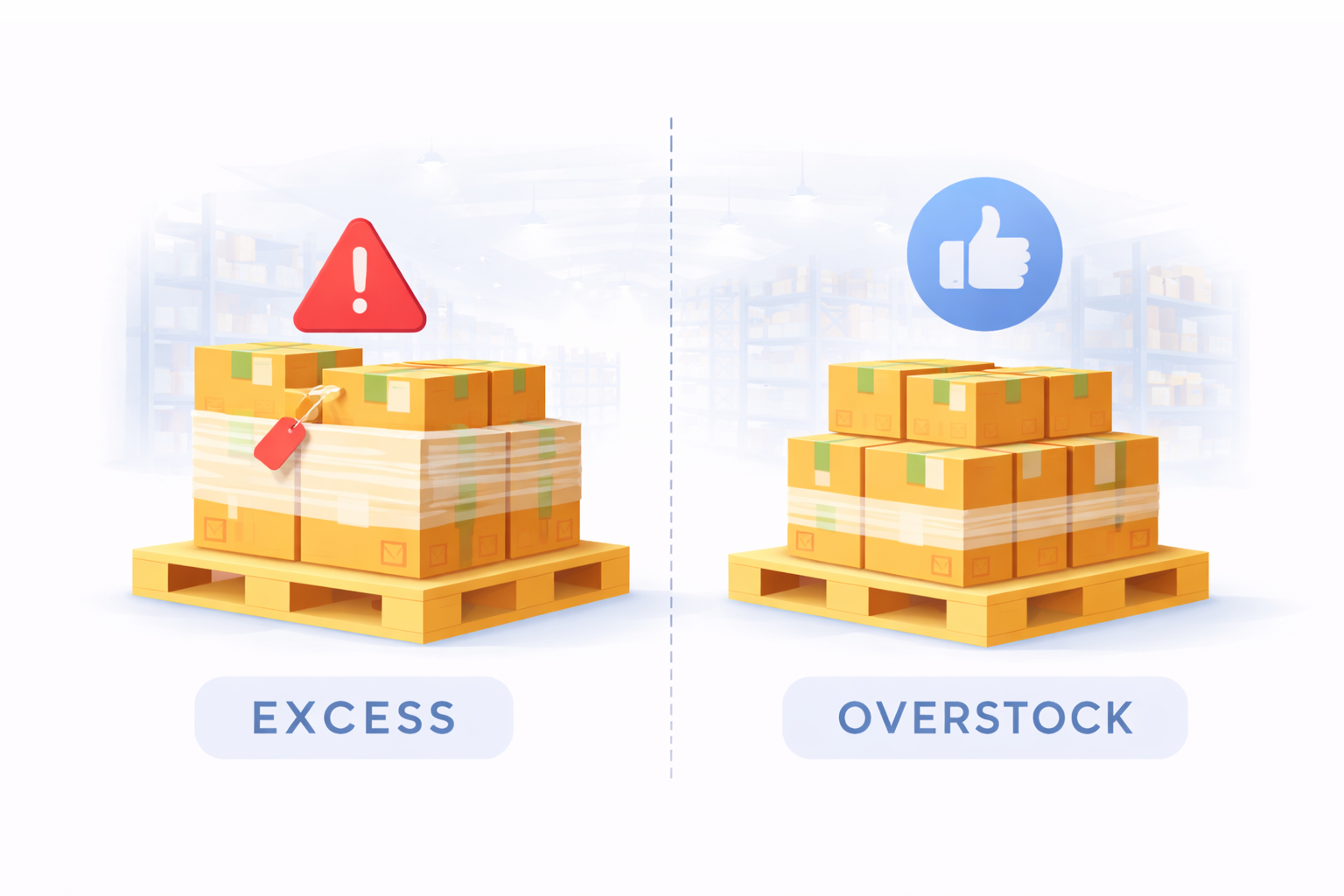
Excess Inventory vs Overstock: Key Differences
The terms “excess inventory” and “overstock” are often used interchangeably, but they describe different stages of stock buildup. Understanding the difference helps brands choose the right strategy: soft discounts, bundles, private liquidation, or write‑off. In the US and EU, these distinctions also matter for accounting, buyer expectations, and pricing.
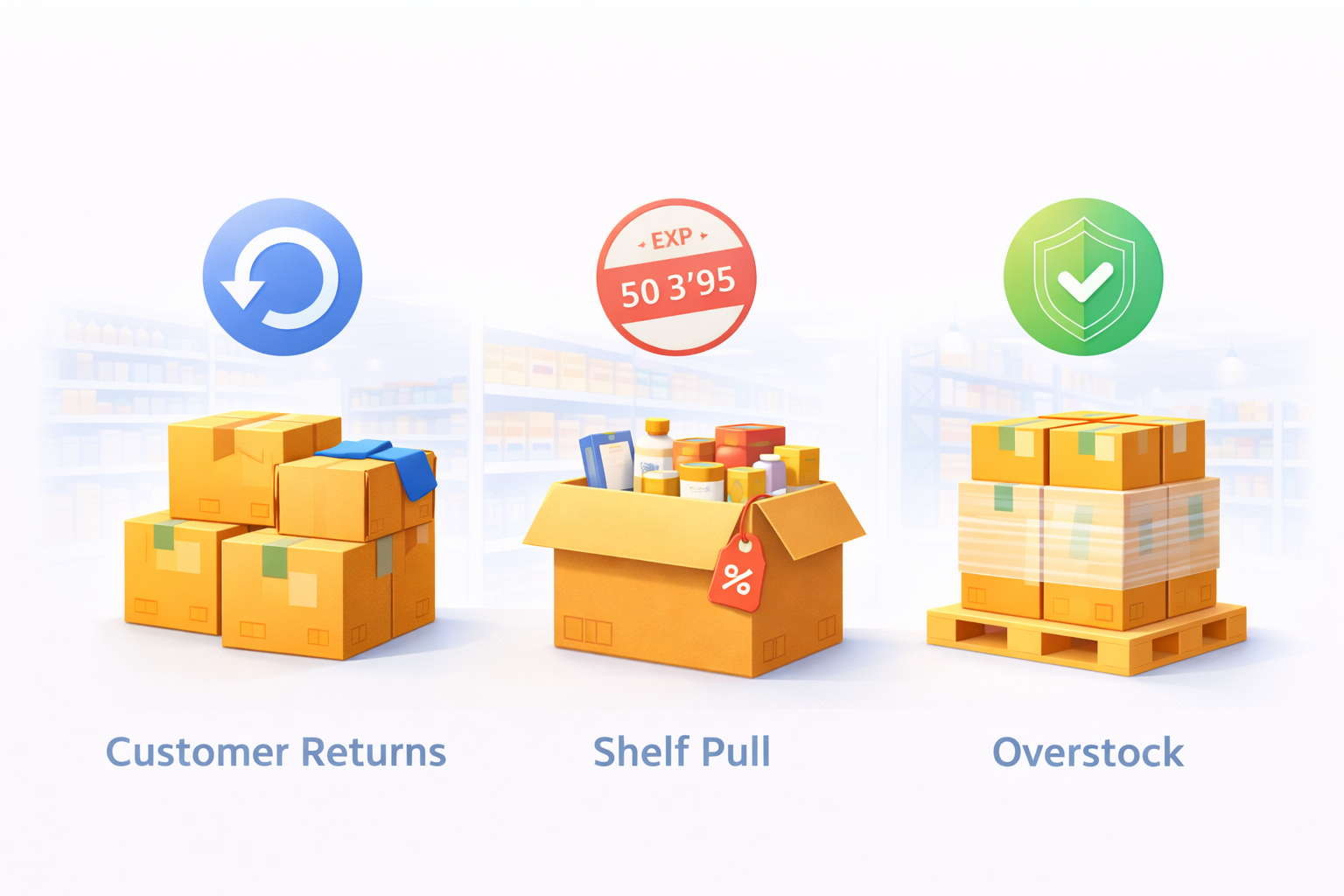
Customer Returns vs Shelf Pull vs Overstock
At first glance, customer returns, shelf pulls, and overstock all look the same: boxes of product on a warehouse floor. But for buyers, liquidators, and accountants, they represent different risk profiles and price expectations. In the US and EU, correctly distinguishing these types directly affects recovery value and compliance.

1111 Top categories to liquidate in 2026
Facilisis dui. Nulla molestie risus in mi dapibus, eget porta lorem semper. Donec sed facilisis nibh.
Subscribe to ORLIVET
and receive early access to stories, new collections, and private offers.